
Review · ANDALUSIA
Baeza: Olive Oil Tasting Experience
Olive oil tells Baeza’s story. This 1.5-hour tasting at La Casa del Aceite connects the town’s food culture with the olive groves and production methods of Jaén. I like that the experience goes beyond a quick sip and a sales pitch: you learn how olives are grown and picked, then taste three oils with guidance from an English- or Spanish-speaking host.
I especially like the three-oil comparison and the use of official blue or red tasting glasses, which gives the session a proper tasting-room feel. The small pairing of apples and bread helps clear your palate, while the final sample of EVOO products, including specialty chocolate, adds a playful finish. The main limitation is its short format. One visitor wished for a film showing the production process, and you should not expect a full olive farm visit or mill tour.
For $17, this is a sensible stop for food-minded visitors, especially if you are already exploring Baeza’s Plaza de la Constitución. The experience is practical, easy to fit into a sightseeing day, and likely to change how you taste olive oil at the table.
Key points to know before booking
- Three olive oils are tasted side by side, making it easier to notice differences in variety, quality, aroma, and flavor.
- The tasting takes place at La Casa del Aceite, right on Plaza de la Constitución in central Baeza.
- The introduction covers Jaén’s olive oil culture, from early cultivation to local trees, plantations, harvesting, and production.
- Apples and bread are provided between tastings, so you can reset your palate rather than mix all three oils together.
- EVOO-made foods finish the session, with specialty chocolate included among the possible samples.
- The guide can speak English or Spanish, and past sessions have been led by hosts including Maria and Anna.
Why olive oil makes sense in Baeza
Baeza is a good place to learn about olive oil because the product is not just a souvenir here. It is tied to the economy, agriculture, food, and daily life of Jaén. The tasting gives you a short introduction to that connection before asking you to judge the oil with your own nose and palate.
The opening presentation covers the first crops, the types of olive trees found around Baeza, and the way local plantations are organized. You also learn how olives are picked and how the oil is produced. Images help explain the process, which is useful because olive oil often reaches the kitchen in a bottle with little explanation of what happened before the seal was placed on it.
I appreciate this regional focus. You are not simply told that one oil is better than another. You get a basic framework for thinking about where olive oil comes from and why two oils made from olives grown in the same broad region can still taste different.
The presentation is not described as a full working-farm visit, so set your expectations correctly. You will see the production process through explanation and images, not by touring every stage in person. For a compact town-center activity, that tradeoff makes sense.
More Olive Oil Tours around Spain:
- Ronda: LA Almazara LA Organic, Olive Oil Museum and Tasting
★ 4.6 · 435 reviews - Guided tour and olive oil tasting in Alhaurin el Grande (Málaga)
★ 5.0 · 200 reviews - Guided Tasting Tour in 16th century House and Olive Oil Factory
★ 5.0 · 169 reviews
Meeting at La Casa del Aceite on Plaza de la Constitución
The meeting point is the entrance to La Casa del Aceite, located in Plaza de la Constitución. That central setting is convenient if you are already walking through Baeza’s historic core, and it means you do not need to arrange a separate transfer to reach the experience.
Arrive at the entrance rather than searching for an olive grove outside town. The activity begins indoors with the guide and an introduction to the local product. Comfortable clothing is the only stated item to bring, so this is an easy addition to a sightseeing day.
The location also helps you combine food and culture without committing half a day. At 1.5 hours, the tasting can fit before lunch, after a morning of Baeza sightseeing, or between other activities. Check the available start time when booking, since the exact schedule is not fixed in the information provided.
The opening lesson: trees, plantations, and production
The first part is a guided talk about olive oil in Jaén. You learn about the region’s early olive cultivation and the varieties of trees and plantations around Baeza. The subject may sound technical at first, but the talk gives you the vocabulary needed for the tasting that follows.
The guide also explains how olives are collected and turned into oil. Images support this section, which helps you picture the work involved without requiring a separate agricultural tour. You learn why production methods affect the final quality and why olive oil should be treated as a food with distinct sensory traits, not as a generic cooking ingredient.
The strongest part of this introduction is its direct connection to local life. The olive oil industry is important to the economy of Jaén, so the presentation helps you see Baeza as more than a pretty historic town. Its surrounding agriculture is part of the place you are visiting.
The amount of detail can depend on the guide and the questions asked. Maria received especially strong praise for explaining many parts of production in excellent English and for answering questions clearly. Anna was also described as enthusiastic and well informed. If you care about the subject, use the question period. The format appears suited to conversation rather than a rushed speech.
One reasonable criticism is that the visual material could go further. A visitor specifically wanted a short film about how the oil is made. If moving images and machinery are important to you, know that the available description promises images and explanation, not a full documentary or live mill demonstration.
Tasting three oils with a proper tasting glass
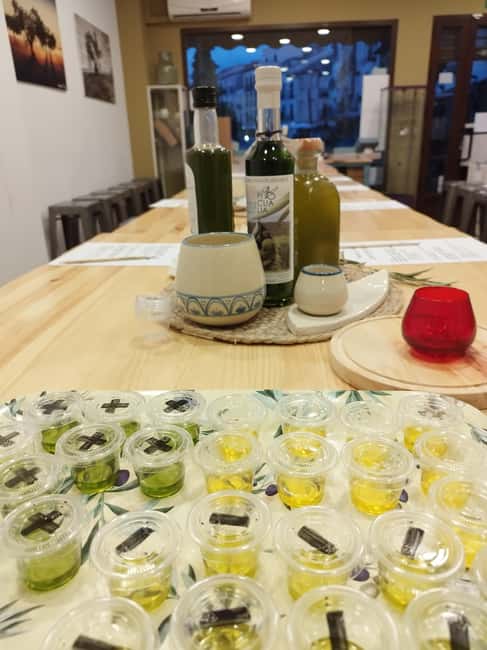
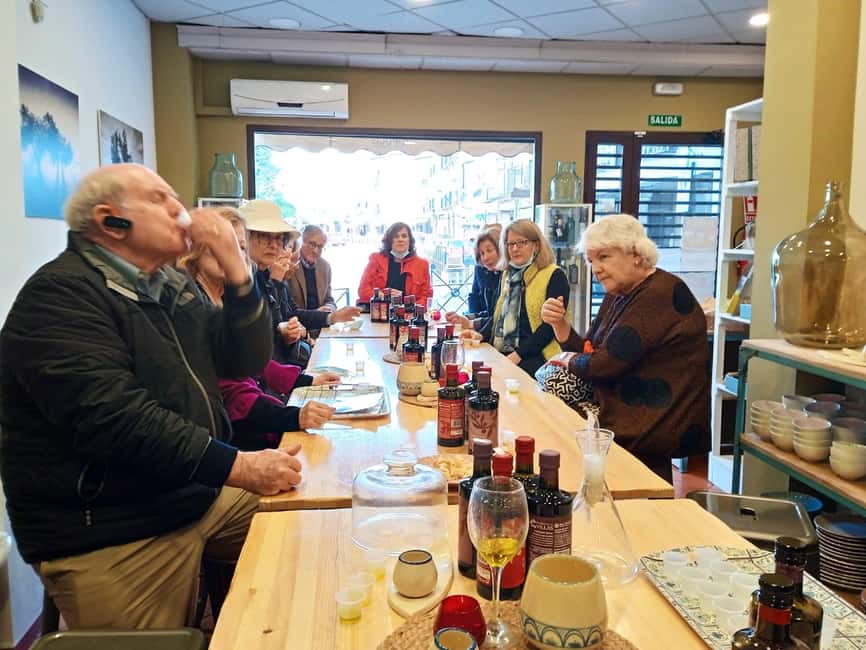
After the introduction, you sit at a table and taste three olive oils from different varieties. This is the heart of the experience. Sampling one oil alone can be pleasant, but comparing three in sequence gives you a much better chance of noticing differences.
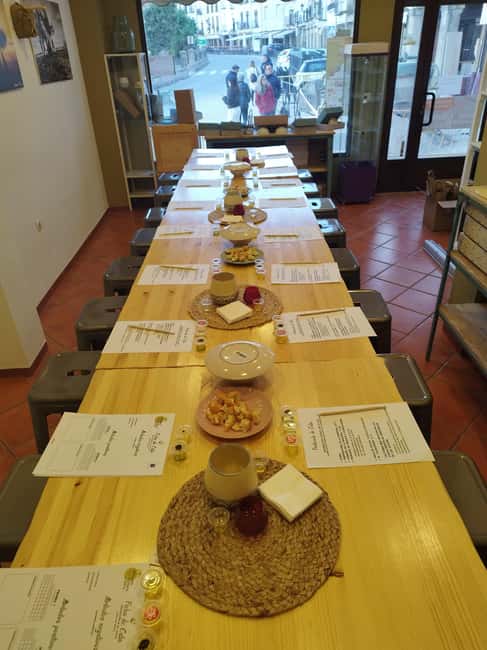
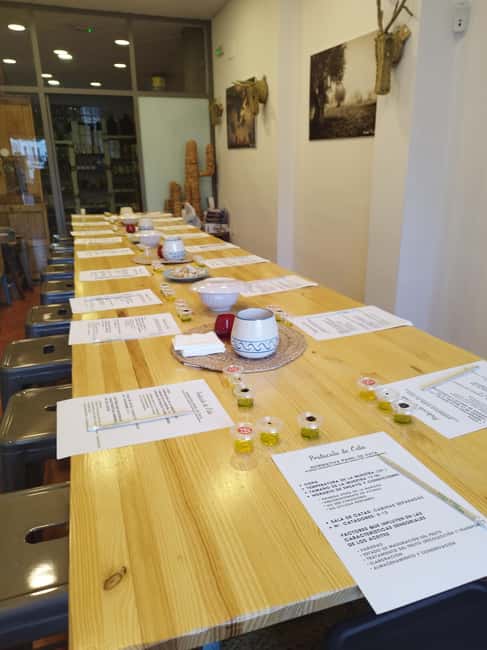
Each person receives an official blue or red tasting glass and a card for recording notes. The glass is not just decoration. A tasting glass helps concentrate the aroma and gives you a more focused way to assess color, smell, and flavor. The note card encourages you to pay attention rather than simply decide that you like one oil best.
I like this guided approach because it gives first-time tasters a simple task. You can write down what you notice, compare one sample with the next, and ask the guide about anything that seems unusual. You do not need professional food knowledge. The point is to learn how to identify sensory qualities with help.
The tasting also introduces differences in oil quality. That is useful when you are shopping later in Andalusia or choosing a bottle to take home. The session does not promise that you will become an expert in 90 minutes, but it can make labels, varieties, and flavor distinctions less mysterious.
The exact three varieties are not specified, so do not book expecting particular cultivars. The value comes from the comparison itself and the explanation that accompanies it. You are there to understand how oils differ, not to chase a named bottle.
Same groves, a different afternoon:
- Visit of the olive grove, olive oil tasting and snack
★ 4.9 · 111 reviews - Visit Oil Mill Museum and Olive Oil Tasting in Ronda
★ 4.5 · 105 reviews - Private Tasting of Olive Oil in Córdoba
★ 5.0 · 93 reviews - Olive Oil tasting breakfast & Tour in Cordoba
★ 4.5 · 84 reviews
Apples, bread, and EVOO-made treats
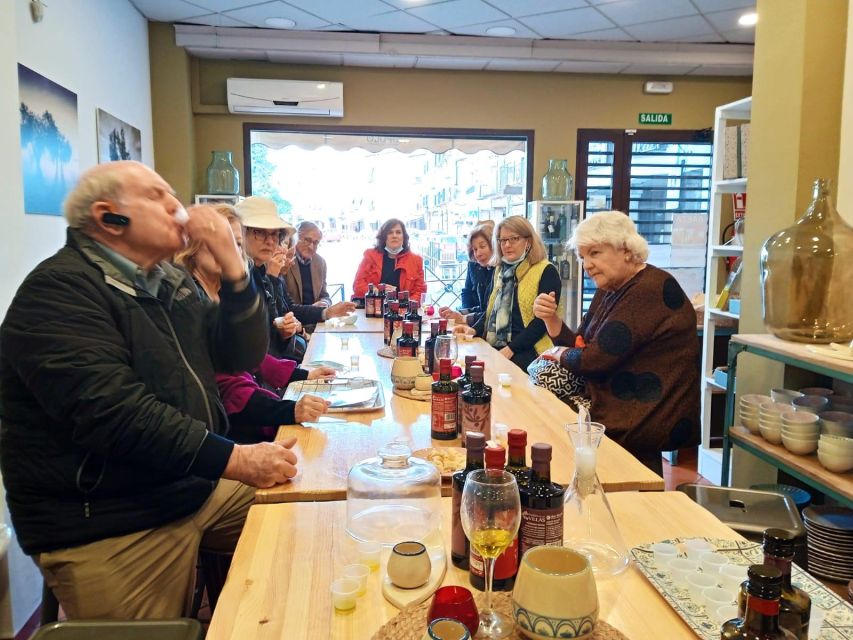
Apples and bread accompany the tasting. They serve a practical purpose: you can cleanse your palate between oils so the first sample does not dominate the second. The bread also gives you a familiar way to taste the oil as food rather than only as a sample in a glass.
This part should appeal to anyone who finds formal tastings a little stiff. You can focus on aroma and flavor, then try the oil with a simple accompaniment. The food is modest, but it supports the tasting and keeps the experience from feeling like three isolated sips.
The final stage is a small tasting of products made with extra virgin olive oil, or EVOO. Specialty chocolate is one example. That ending is a nice reminder that EVOO can play a role in sweet and prepared foods, not only in a dish of bread or a salad.
The food samples are described as small, so I would not use this activity as a replacement for lunch. Think of it as a light food experience that may sharpen your appetite for a proper Andalusian meal afterward.
Guide quality and group atmosphere
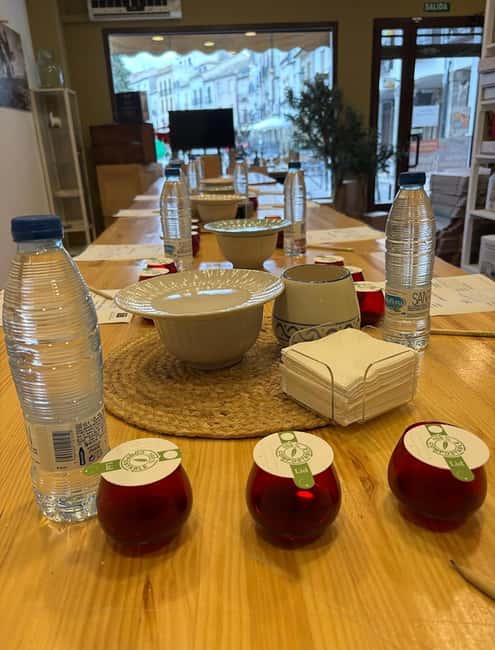
The guide matters here because olive oil tasting is partly about asking the right questions. A good explanation turns a set of samples into a useful lesson. The sessions led by Maria and Anna received particularly warm comments for clear explanations, enthusiasm, and strong English.
English and Spanish are available. That makes the experience practical for international visitors, while Spanish speakers can ask questions in the local language. The activity includes a live guide rather than a self-guided display, so your experience can benefit from discussion.
Group size is not stated. One Canadian couple had Maria as their only host for the presentation, which made the session feel especially personal. You should not assume every booking will be private, but a light booking period may produce a more intimate conversation. Ask questions if the schedule allows, especially about local varieties, production, and quality.
The overall rating is 4.7 from seven reviews, with most comments giving the experience the highest mark. The praise centers on clear information, the tasting itself, and the importance of olive oil to the local economy. The only specific criticism in the supplied comments was the wish for a short production film.
Is $17 a good value?
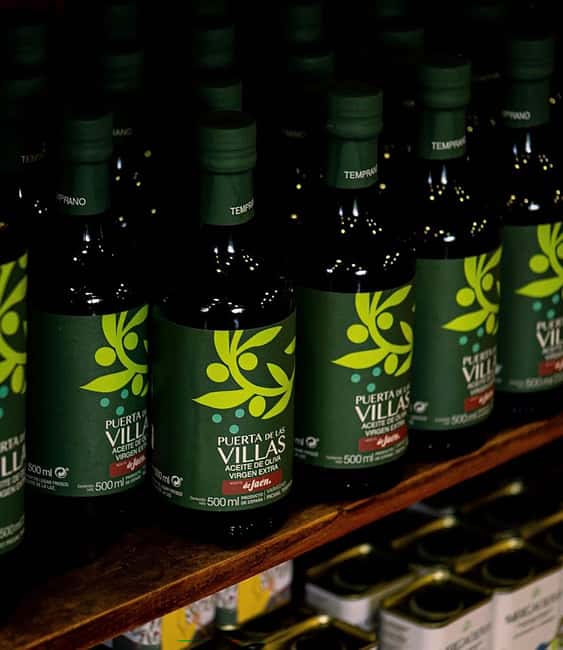
At $17 per person, I see this as a strong-value short activity. The price includes the guide, three olive oil samples, tasting glasses, a note card, apples, bread, and EVOO-made products. You are also paying for a structured introduction to an important part of Jaén’s economy and food culture.
The value is strongest if you are curious about ingredients and want more than a quick shop visit. A bottle purchased on its own tells you very little about how to taste it. Here, the comparison and explanation give you a better basis for choosing oils later.
The value is lower if you want a farm, mill, or full production-site tour. None of those is promised. You receive a town-center presentation with images and guided tasting, not a long agricultural excursion.
For most visitors, the short duration works in its favor. You get a focused activity without giving up the rest of your day. It is also a good choice in hot weather or when you want a seated indoor break from walking around Baeza.
Who should book this Baeza tasting?
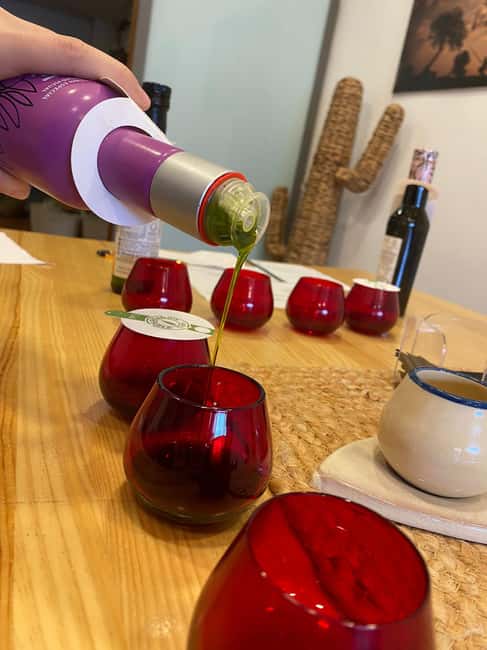
I would recommend it to food lovers, curious first-time visitors to Andalusia, and anyone planning to buy olive oil during a trip through southern Spain. It also suits couples and small groups who enjoy asking questions and comparing flavors.
The experience works well for visitors who know little about olive oil. You do not need tasting experience, and the glass, card, bread, and apples give you a clear structure. It can also suit people who already use EVOO but want a better sense of variety and quality.
Families may find the short format manageable, though the appeal depends on each child’s interest in food and explanation. The chocolate sample may help keep younger participants engaged, but the activity is primarily an educational tasting.
I would be less likely to book it if your top priority is seeing olive harvesting, operating machinery, or walking through an olive plantation. The information provided does not include those elements. In that case, look for a separate farm or mill visit and treat this as a different kind of experience.
Booking is flexible: you can cancel up to 24 hours before the start for a full refund, and a reserve-now, pay-later option is available. The activity is wheelchair accessible, another practical advantage for a central indoor stop.
Should you book it?
Yes, if you want a well-priced and focused introduction to the product that shapes Jaén. The strongest reasons are the three-oil comparison, the proper tasting glass, and the clear local context supplied by the guide.
Book it with realistic expectations. You will learn a lot in 90 minutes, taste a few well-chosen oils, and sample EVOO foods, but you will not tour an olive farm or watch the full process in operation. If that sounds like the right scale for your day in Baeza, La Casa del Aceite is an easy recommendation.
FAQ
Where does the olive oil tasting take place?
It takes place at the entrance of La Casa del Aceite, located in Plaza de la Constitución in Baeza.
How long does the experience last?
The olive oil tasting lasts 1.5 hours.
How much does the experience cost?
The listed price is $17 per person.
Which languages are available?
The live guide can conduct the experience in English or Spanish.
How many olive oils will I taste?
You will taste three different varieties of olive oil.
What food is included with the tasting?
Apples and bread are provided to cleanse your palate between samples. You also receive a small tasting of gastronomic products made with EVOO, such as specialty chocolate.
Is the experience wheelchair accessible?
Yes, the activity is listed as wheelchair accessible.
Can I cancel for a refund?
Yes. You can cancel up to 24 hours in advance for a full refund. A reserve-now, pay-later option is also available.
Just added around Spain
- XXI Century Olive Oil Mill Tour★ 5.0 · 3 reviews
- Visit to an olive oil mill and oil tasting with aperitif and food and wine pairing.★ 5.0 · 2 reviews
- Treurer: Tapas Gourmet and Extra Virgin Olive Oil★ 4.7 · 3 reviews
- Ulldecona: Guided Tour of the Millenary Olive Trees of Arión★ 5.0 · 2 reviews
- Treurer: Olive Oil Night. Gastronomic experience★ 5.0 · 15 reviews
- Olive Oil and Winery Tour from Zaragoza City★ 5.0 · 4 reviews
- Olive Oil Private Full-Day Tour with Tasting in Valencia★ 5.0 · 2 reviews
- Olive Oil Tour and Visit to Belchite Old Town★ 5.0 · 16 reviews
Spain Olive Oil Tours, compared.
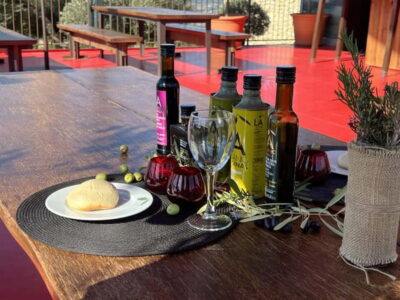
LA Almazara LA Organic, Olive Oil Museum and Tasting
Read our review →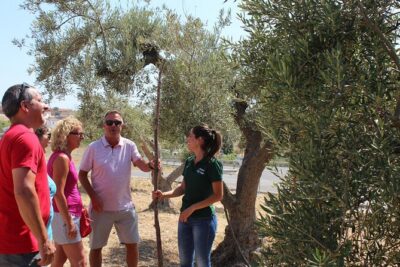
Guided tour and olive oil tasting in Alhaurin el Grande (Málaga)
Read our review →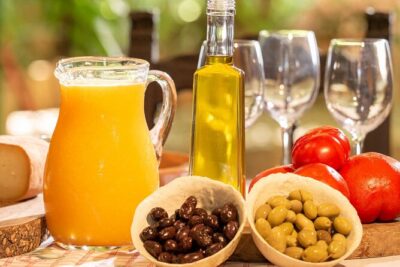
Guided Tasting Tour in 16th century House and Olive Oil Factory
Read our review →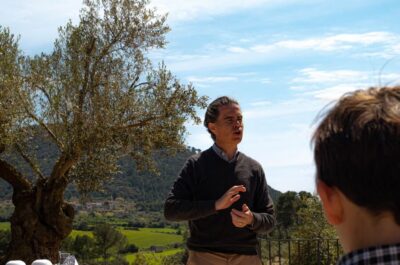
Visit of the olive grove, olive oil tasting and snack
Read our review →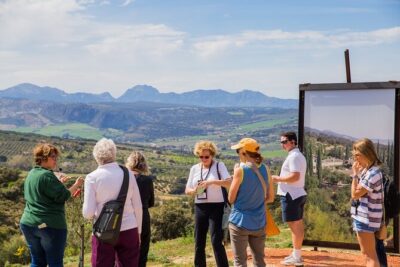
Visit Oil Mill Museum and Olive Oil Tasting in Ronda
Read our review →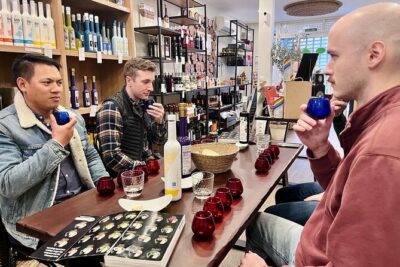
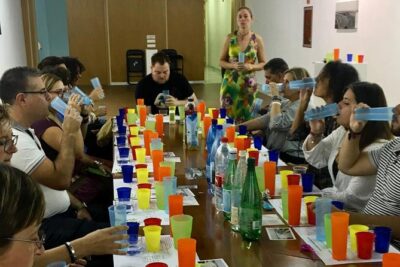
Sóller: Olive Oil Guided Tour and Tasting at Can Det Estate
Read our review →Browse the lists this tour appears in