
Review · ANDALUSIA
Cazorla: Oleotour – Olive Oil Culture Initiation
Olive oil is more than a condiment. At Oleotour Cazorla, you get a clear look at how olives become Extra Virgin Olive Oil, from old pressing methods to modern production. I especially like the mix of the 18th-century oil mill museum and the modern oil mill, plus the chance to taste EVOO with your senses rather than simply hear a lecture about it.
I also like the outdoor touches, including a botanical garden with more than 60 native species, a path among olive trees, and a recreation of olive grove harvesting. The main consideration is language: the live tour is in Spanish, so you will get the most from it if you understand Spanish or are comfortable learning through demonstrations and tasting.
Key points to know before you go
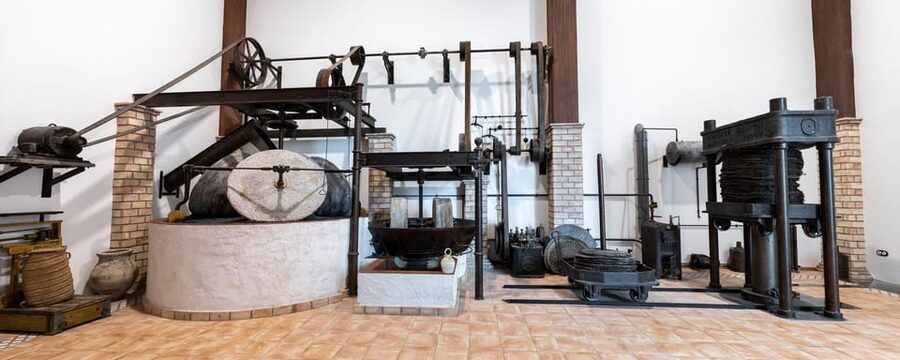
- An 18th-century oil mill puts today’s production in context, showing how olive oil making has changed over time.
- The sensory tasting is the heart of the visit, helping you notice what separates fine Extra Virgin Olive Oil from ordinary cooking oil.
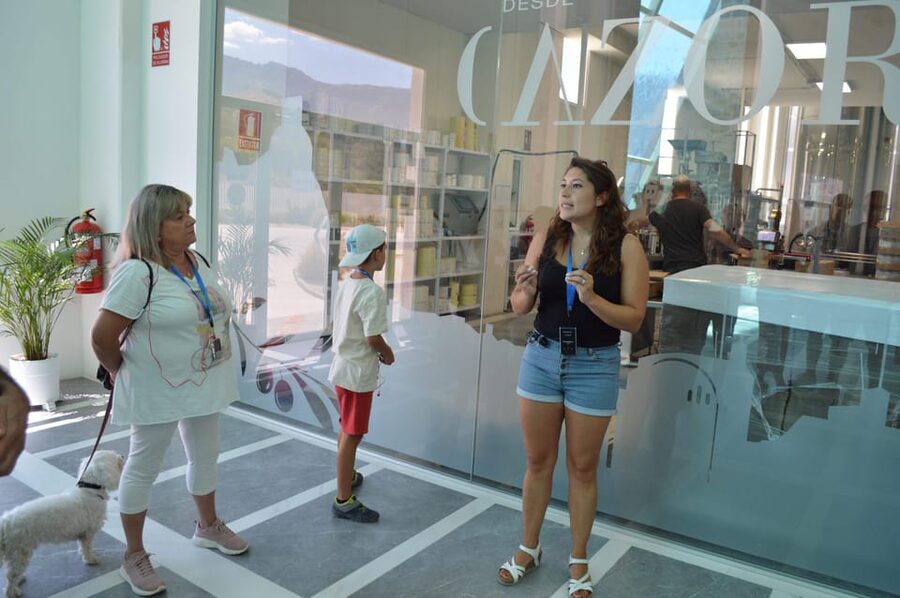
- Laura has earned especially strong praise for explaining the subject clearly and making olive culture easy to understand.
- The visit covers both indoor and outdoor spaces, including the modern mill, botanical garden, olive grove path, and harvest recreation.
- The two-hour tour costs $23 per person, a fair price if you want more than a quick tasting.
- Spanish is the stated tour language, and cancellation is free up to 24 hours before the scheduled visit.
Starting at the Sierra de Cazorla olive oil complex
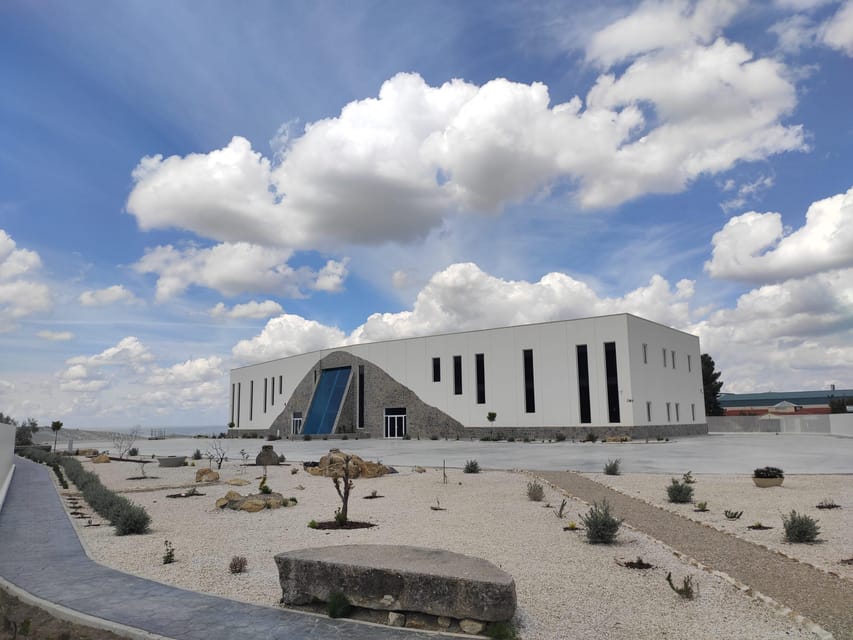
The tour begins at the Cazorla Olive Complex, a place designed to explain the importance of olive growing in the Sierra de Cazorla area. This is not just a stop for buying a bottle. The visit connects the oil in your kitchen with the trees, tools, workers, traditions, and local standards behind it.
You will learn about the Sierra de Cazorla Designation of Origin, which identifies olive oil produced under a particular regional standard. A visit to the Regulatory Council helps explain how the area protects the name and quality of its oil.
That detail matters. Extra Virgin Olive Oil is not simply a color or a marketing phrase. Its quality depends on how the olives are handled and how the finished oil performs in taste and aroma. The Regulatory Council gives you a useful local framework before you reach the tasting.
I like this opening because it gives the tour a sense of place. You are not hearing a generic lesson about olive oil in Spain. You are learning why this particular part of Andalusia takes its oil seriously.
More Olive Oil Tours around Spain:
- Ronda: LA Almazara LA Organic, Olive Oil Museum and Tasting
★ 4.6 · 435 reviews - Guided tour and olive oil tasting in Alhaurin el Grande (Málaga)
★ 5.0 · 200 reviews - Guided Tasting Tour in 16th century House and Olive Oil Factory
★ 5.0 · 169 reviews
The 18th-century oil mill and an older way of working
The 18th-century Oil Mill Museum offers the clearest historical section of the visit. Here, you can see how oil production once relied on traditional machinery and slower physical work.
The museum helps you picture the effort involved before modern equipment changed the process. Old mills were built around heavy tools, animal or human power, and methods that demanded time and labor. You may not need to know every technical term to understand the basic point: producing oil was once a far more demanding task than it is today.
This stop is especially useful if olive oil is new to you. One verified visitor from Spain, Stephen, arrived knowing almost nothing about the fruit or the pressing process and left pleased with how much the tour clarified. That is a good sign for beginners, since the museum gives you a solid starting point before the more technical modern sections.
I would not expect a large museum experience filled with dozens of separate exhibits. The attraction is the connection between the old equipment and the living tradition it represents. If you prefer machinery, food production, or rural history, this part may be one of your favorites.
Seeing the modern side of Extra Virgin Olive Oil
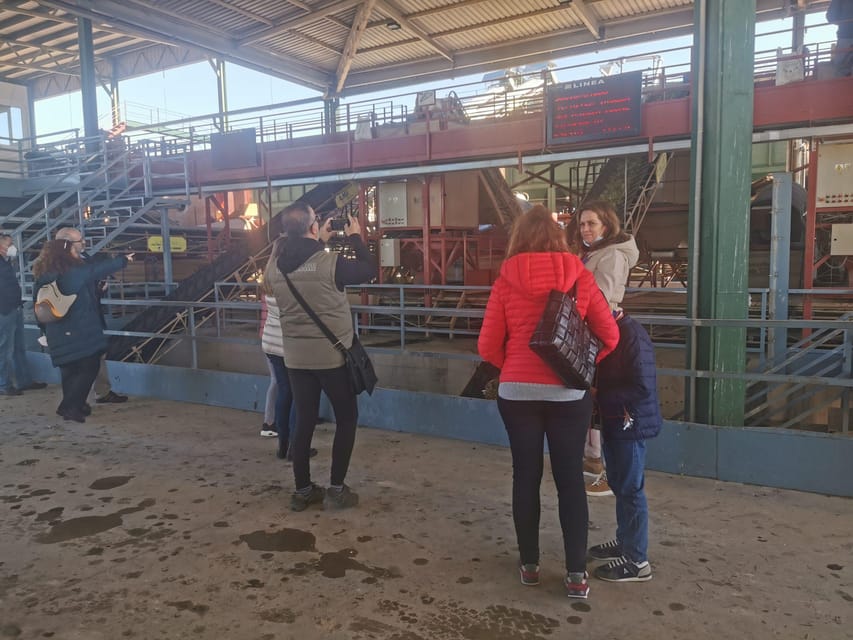
After the old mill, the modern oil mill shows how production has changed. This contrast is one of the strongest reasons to book the tour. You see the older tools, then move toward current methods used to produce EVOO.
The visit is designed to explain the process from olive fruit to finished oil. The supplied information does not list every machine or production stage, so you should not expect a technical factory manual. Instead, think of this as a guided introduction to how modern equipment improves speed, handling, and control.
That comparison also makes the quality discussion easier to follow. Once you know that timing and treatment affect the oil, the tasting has more meaning. You can better understand why careful production matters and why not every olive oil has the same flavor or quality.
For me, the modern mill works best when viewed alongside the museum. Either stop alone would tell only half the story. Together, they show an agricultural tradition that has kept its identity while adopting newer tools.
Learning to taste olive oil properly
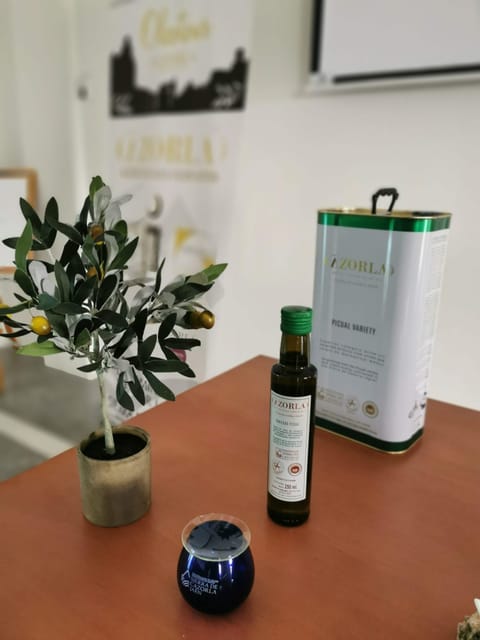
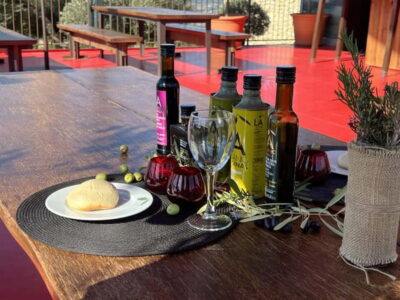
The sensory tasting is the part you will remember most easily. Instead of treating oil as a background ingredient, the guide asks you to pay attention to aroma, flavor, and the sensations you notice while tasting.
The aim is to help you recognize a fine Extra Virgin Olive Oil. You may notice fresh, green, fruity, bitter, or peppery qualities, though the exact tasting notes will depend on the oils presented and the guide’s explanation. The key lesson is that bitterness and a peppery finish are not automatically faults. They can be signs of character in good oil.
This is where the tour becomes practical. You can take the basic tasting skills home and use them when choosing oil in a shop or serving it with food. You also start to understand why two bottles with similar labels can taste very different.
The tasting is described as engaging all five senses. That gives the visit a hands-on quality, but you should still keep your expectations reasonable. This is an introduction, not a professional certification course or an advanced oil judging workshop.
The current score is 5 out of 5 from three verified bookings. The written comments are brief, but the strongest praise centers on the teaching. Stephen described the tour as an eye opener after starting with no knowledge of olive pressing. Josefa Cervantes said Laura communicated very well and helped her learn about olive oil culture. If Laura is guiding your visit, expect a clear and friendly explanation rather than a dry technical talk.
Same groves, a different afternoon:
- Visit of the olive grove, olive oil tasting and snack
★ 4.9 · 111 reviews - Visit Oil Mill Museum and Olive Oil Tasting in Ronda
★ 4.5 · 105 reviews - Private Tasting of Olive Oil in Córdoba
★ 5.0 · 93 reviews - Olive Oil tasting breakfast & Tour in Cordoba
★ 4.5 · 84 reviews
Walking among olive trees and native plants
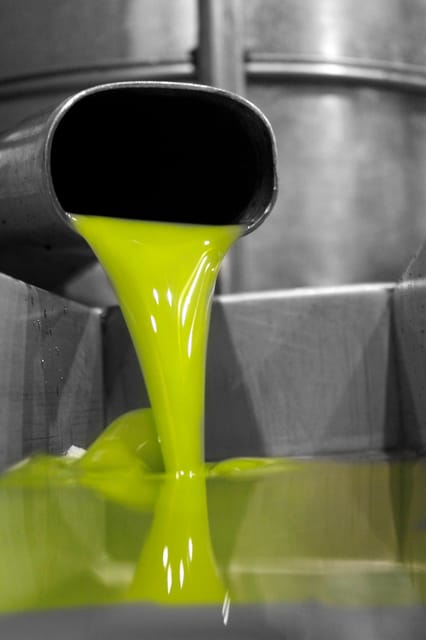
The outdoor section gives you a break from machinery and tasting tables. You can follow a path between olive trees and see a recreation of olive grove harvesting.
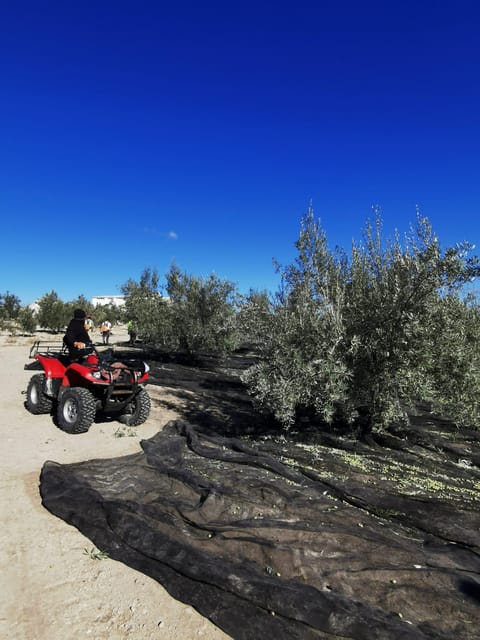
This helps explain the seasonal and physical side of olive production. Even without a full working harvest taking place, a harvest recreation shows how the crop is gathered and gives context to the finished bottle. Olive oil begins with a tree, not a factory, and the outdoor area keeps that fact in view.
The botanical garden contains more than 60 native species. That is a useful addition because it places olive growing within the wider plant life of the area. You are not just looking at one crop in isolation. You are seeing an outdoor setting tied to local agriculture and plant knowledge.
The garden and olive path may appeal most to anyone who enjoys a slower, more visual part of a tour. They also make the visit less dependent on displays and machinery. If you have mobility concerns, keep in mind that the experience includes a path and outdoor areas, but no specific accessibility details are provided. It is sensible to ask the provider before booking if that matters to you.
The Can Guitar Monument and visual displays
The EVOO Can Guitar Monument adds an unusual visual element to the visit. Its name suggests a playful connection between olive oil packaging and music, and it gives the complex a memorable landmark beyond the mill itself.
There is also a recreation in watercolor and an audiovisual projection. These features help present olive culture in ways that are not limited to tools and machines. The projection may be useful if you learn best through images, while the watercolor recreation gives the subject a more artistic touch.
I would treat these as supporting parts of the tour rather than the main reason to book. The strongest content is still the old mill, modern mill, guide’s explanation, and tasting. But the monument and visual material give the two-hour visit some variety.
How the two-hour schedule works
The full experience lasts about two hours. That is long enough to cover several parts of the complex without turning the visit into a full-day commitment.
You should expect a guided progression through the history and tradition of local oil production, the Regulatory Council, the 18th-century museum, the modern mill, tasting, garden, olive path, harvest recreation, monument, watercolor display, and audiovisual material. The exact order can vary, and no detailed minute-by-minute schedule is provided.
The length makes this a good choice for a morning or afternoon stop in Cazorla. You can learn something substantial, then continue with your day. At the same time, two hours does not allow unlimited time at every display, so people who want to examine machinery in detail may wish the visit were longer.
The tour is guided in Spanish. That is the biggest practical limitation. If you speak Spanish, you should be able to follow the explanations and ask questions. If you do not, the visual displays, tasting, garden, and demonstrations may still offer value, but the spoken teaching will be harder to absorb. The experience is most rewarding for Spanish speakers or for visitors who already have some familiarity with the language.
Is $23 per person a fair price?
At $23 per person, I consider this a reasonable price for a two-hour cultural visit with several distinct elements. You are not paying only for a sample of oil. The fee covers access to the oil complex, historical museum, modern production area, sensory tasting, botanical garden, outdoor olive features, and guided interpretation.
The value depends on your interests. If you are curious about Spanish food, rural traditions, agriculture, or the difference between ordinary olive oil and EVOO, the price is easy to justify. The tour gives you useful knowledge you can apply after the visit, especially when buying or tasting oil.
If you are already an olive oil expert, you may find the introduction too basic. The wording of the experience makes clear that it welcomes beginners and enthusiasts, but its strongest appeal is education rather than specialist study.
The option to reserve now and pay later also helps if you are planning a flexible Andalusian itinerary. You can hold a place without paying at the time of booking. Free cancellation is available up to 24 hours in advance, which gives you some protection if your plans change.
Who will enjoy Oleotour Cazorla most?
I would recommend this experience to food-minded visitors who want a local subject explained in its own setting. It is also a good fit for couples, families with older children, and anyone who wants a short cultural activity rather than another major monument.
Beginners should feel comfortable here. Stephen’s reaction shows that you do not need prior knowledge of olive varieties, milling, or tasting. The tour starts with basic context and builds toward the sensory side.
Spanish speakers have the clear advantage. The live guide language is Spanish, and the guide is a major part of the value. If you speak little Spanish, consider this only if you are happy with a more visual visit and do not mind missing some spoken detail.
This is less suitable if you want a full working farm visit, a long countryside walk, or a specialist tasting course. The experience includes an olive path and garden, but it is centered on the complex and its exhibits rather than a lengthy outdoor excursion.
Should you book the Cazorla olive oil tour?
Book it if you want to understand how olive oil is made, see the contrast between an old mill and modern production, and learn how to taste EVOO with more confidence. At $23 for two hours, it offers solid value, especially for first-time visitors to olive country.
I would be most likely to choose it if Laura is leading the tour, since her clear communication has received the strongest praise. Just remember that the visit is in Spanish, and that the outdoor sections are supporting features rather than a major hike.
If you are curious about the oil on your breakfast table, this is a smart, focused stop. You will leave with more than a bottle. You will have a better idea of what to look for when you taste the next one.
FAQ
Where does Oleotour Cazorla take place?
The experience takes place at the Cazorla Olive Complex in Andalusia, Spain, including the Sierra de Cazorla Designation of Origin facilities.
How long does the tour last?
The tour lasts two hours.
How much does the experience cost?
The listed price is $23 per person.
What language is the tour conducted in?
The live guided tour is conducted in Spanish.
What is included in the visit?
The experience includes olive oil history and tradition, the Regulatory Council, an 18th-century Oil Mill Museum, a modern oil mill, a sensory tasting, a botanical garden with more than 60 native species, the EVOO Can Guitar Monument, an olive harvest recreation, a path among olive trees, a watercolor recreation, and an audiovisual projection.
Can I cancel or pay later?
You can cancel up to 24 hours in advance for a full refund. You can also reserve your place and pay later, keeping your travel plans flexible.
Just added around Spain
- XXI Century Olive Oil Mill Tour★ 5.0 · 3 reviews
- Visit to an olive oil mill and oil tasting with aperitif and food and wine pairing.★ 5.0 · 2 reviews
- Treurer: Tapas Gourmet and Extra Virgin Olive Oil★ 4.7 · 3 reviews
- Ulldecona: Guided Tour of the Millenary Olive Trees of Arión★ 5.0 · 2 reviews
- Treurer: Olive Oil Night. Gastronomic experience★ 5.0 · 15 reviews
- Olive Oil and Winery Tour from Zaragoza City★ 5.0 · 4 reviews
- Olive Oil Private Full-Day Tour with Tasting in Valencia★ 5.0 · 2 reviews
- Olive Oil Tour and Visit to Belchite Old Town★ 5.0 · 16 reviews
Spain Olive Oil Tours, compared.
LA Almazara LA Organic, Olive Oil Museum and Tasting
Read our review →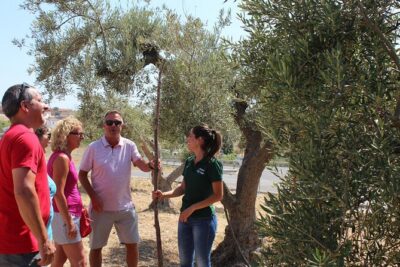
Guided tour and olive oil tasting in Alhaurin el Grande (Málaga)
Read our review →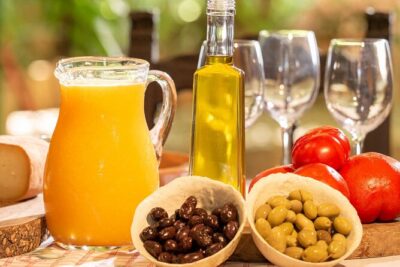
Guided Tasting Tour in 16th century House and Olive Oil Factory
Read our review →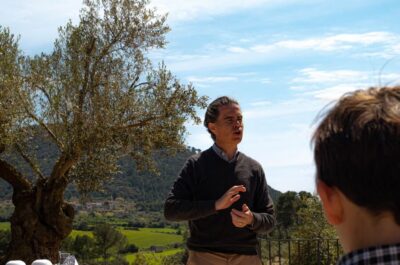
Visit of the olive grove, olive oil tasting and snack
Read our review →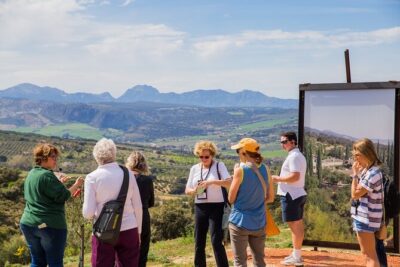
Visit Oil Mill Museum and Olive Oil Tasting in Ronda
Read our review →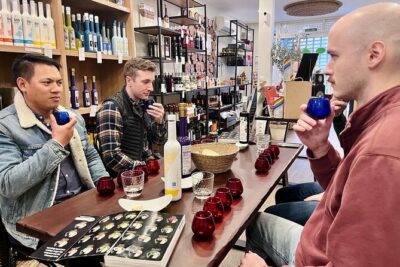

Sóller: Olive Oil Guided Tour and Tasting at Can Det Estate
Read our review →Browse the lists this tour appears in