
Review · ANDALUSIA
Granada: Tasting of Extra Virgin Olive Oils
Olive oil gets the spotlight it deserves. In a 90-minute session at Molino y Cata, you learn how to taste extra virgin olive oil properly, compare important Spanish varieties, and pair the oils with snacks in a professional tasting room in Granada’s historic center. It is a neat change of pace from the Alhambra and Albaicín, with real insight into one of Andalusia’s defining foods.
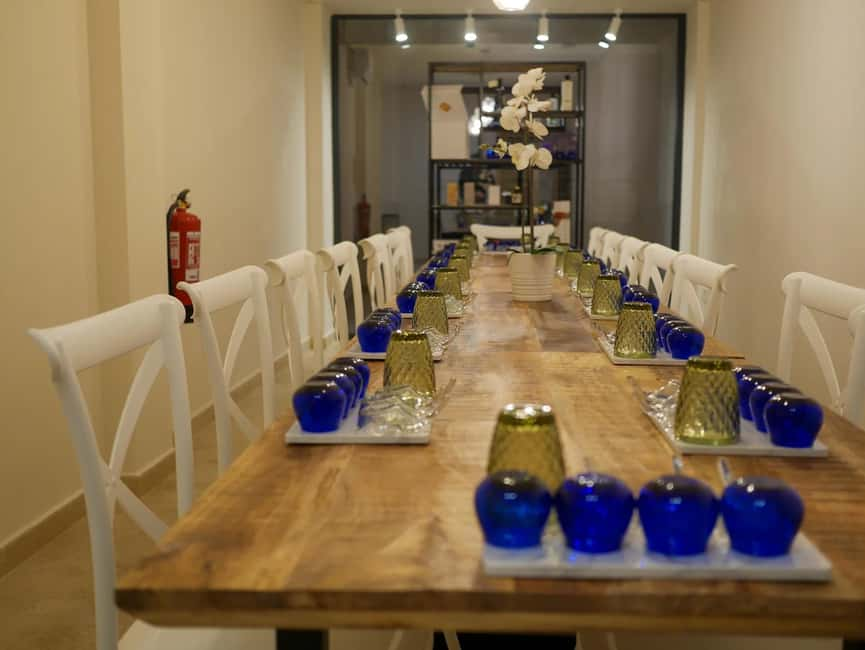
I like the use of competition-style tasting glasses, which let you smell and taste the oils in the same way professionals do. I also like the personal approach from Mercedes Uceda and her team. Mercedes brings years of tasting experience, while her personal connection to the olive oil trade gives the session more warmth than a simple product sampling.
The main consideration is focus. This is an indoor tasting, not a visit to an olive grove or an operating mill. If you want trees, machinery, and a broader farm visit, choose an olive grove tour instead. If you want to understand why one bottle costs more than another, this compact Granada experience makes better use of your time.
Key points to know before booking
- Three top-quality EVOOs: You taste three highly regarded extra virgin olive oils, then decide which one suits your palate best.
- Mercedes Uceda leads the tasting: The session is guided by a professional olive oil taster, with help from her team.
- Professional tasting equipment: You use the blue or dark-colored glasses associated with formal olive oil competitions, rather than ordinary wine glasses.
- Flavored olive oil condiment: The tasting includes a condiment based on extra virgin olive oil, adding a different angle to the comparison.
- Snacks complete the session: You pair the oils with different foods at the end, helping you understand how olive oil behaves at the table.
- Central Granada setting: The activity takes place in a professional tasting room in the historic center, making it easy to fit around sightseeing.
Why this Granada tasting is worth your time
Andalusia produces much of Spain’s olive oil, yet many visitors experience it only as a little dish brought with bread. That misses the point. Extra virgin olive oil can smell grassy, fruity, peppery, herbal, or slightly bitter. It can taste mild and rounded, or finish with a lively tickle in the throat.
This tasting gives you the basic tools to notice those differences. You are not simply told that one oil is better than another. You learn to look for positive qualities, spot faults, and compare varieties in a controlled setting.
I find that useful for two reasons. First, it makes a familiar part of Spanish food more interesting. Second, it helps you shop with more confidence. After a guided tasting, a supermarket shelf full of green and gold bottles is less mysterious.
The experience lasts 1.5 hours, which is long enough for explanation and comparison without taking up half your day. You can schedule it between major sights, although the exact starting time depends on availability. Since the tasting takes place in central Granada, it works especially well on a day when you are already walking around the historic center.
More Olive Oil Tours around Spain:
- Ronda: LA Almazara LA Organic, Olive Oil Museum and Tasting
★ 4.6 · 435 reviews - Guided tour and olive oil tasting in Alhaurin el Grande (Málaga)
★ 5.0 · 200 reviews - Guided Tasting Tour in 16th century House and Olive Oil Factory
★ 5.0 · 169 reviews
Meeting Mercedes Uceda and her team
The personality of a tasting matters. Olive oil can become technical very quickly, with talk of acidity, aroma, defects, harvest quality, and regional varieties. A good guide keeps the information clear and connects it to things you can actually smell and taste.
Mercedes Uceda is a professional taster, and that gives the session a firm base. She does not just present bottles and ask which one you prefer. She explains the attributes of extra virgin olive oil and shows you how to compare them.
The personal side also matters. Mercedes and her husband are described as warm and generous with their time, and the experience can feel especially personal when the group is small. One booking had only one group present, allowing the instruction to be directed closely toward those participants. That kind of attention is not guaranteed, but it shows what the setting can offer.
You should expect a friendly lesson rather than a formal lecture. Ask questions as you go. If you are curious about a particular variety, how to store oil, or why two oils taste so different, this is the time to speak up.
The language options are Spanish and English. Some material may appear in its original language, so you should be comfortable following a bilingual setting if needed.
How the 90-minute tasting unfolds
The session starts in the professional tasting room at Molino y Cata. This is important because the room and equipment are designed for sensory work, not just casual eating. You are there to judge the oil by aroma, flavor, and finish.
The first stage is learning how to use the tasting glass. Professional olive oil glasses are shaped to hold aromas and are often colored so you cannot judge an oil by appearance. That prevents a bright green color from influencing your opinion before you smell or taste it.
You may warm the glass in your hand, smell the oil, and take a small sip. The point is to slow down. You are paying attention to fruitiness, bitterness, and pungency, rather than pouring oil over bread and moving on.
Next comes the comparison of three extra virgin olive oils. These are described as among the best in the world, with the tasting centered on important varieties. The precise oils and varieties can vary, so you should not expect a fixed bottle list unless the provider confirms it before your visit.
This comparison is the heart of the activity. One oil may seem fresh and green, another more rounded, and another sharper at the finish. You learn that bitterness and pepper are not automatically flaws. In a good extra virgin olive oil, they can signal character and freshness.
At the end of the formal tasting, you choose the oil that impressed you most. That small decision makes the lesson personal. You are not trying to guess the correct answer. You are working out what you like and why.
Tasting three oils without getting lost in the jargon
The word extra virgin has a legal meaning, but it does not mean every bottle tastes the same. Extra virgin oil must meet set quality standards, yet its flavor can change with the olive variety, harvest conditions, production methods, and freshness.
The tasting helps separate those ideas. You will learn that a strong peppery finish is not the same thing as a defect. You may also notice that bitterness varies from one oil to the next, even when all three meet the same high standard.
This is where a professional guide earns the fee. Without help, I might call one oil spicy and another smooth, then stop there. With a structured tasting, you get a more useful vocabulary and a better sense of what the oil is doing.
The most important point is not memorizing every variety. It is learning how to pay attention. When you return home, you can taste an oil on its own and decide if its aroma is clean, its flavor is balanced, and its finish is pleasant.
You should also keep your expectations realistic. A 90-minute session cannot turn you into a certified taster. It can give you a strong introduction and a practical way to compare oils, which is exactly what most visitors need.
Same groves, a different afternoon:
- Visit of the olive grove, olive oil tasting and snack
★ 4.9 · 111 reviews - Visit Oil Mill Museum and Olive Oil Tasting in Ronda
★ 4.5 · 105 reviews - Private Tasting of Olive Oil in Córdoba
★ 5.0 · 93 reviews - Olive Oil tasting breakfast & Tour in Cordoba
★ 4.5 · 84 reviews
The flavored condiment and food pairing
The session includes a flavored condiment based on extra virgin olive oil. This adds a useful contrast because it shows how olive oil can work as part of a prepared flavor, not only as a pure product.
The condiment is not the same as tasting an unseasoned oil. Extra flavors can change how you notice aroma and texture. That makes this part lighter and more playful after the concentrated comparison of the three oils.
The final pairing uses different snacks with the oils. This is more than a pleasant ending. Food changes the way olive oil tastes. A snack can soften bitterness, highlight fruitiness, or make a peppery finish seem stronger.
You will have the chance to see which oils work best with different foods. That helps bridge the gap between a professional tasting room and your own kitchen. A bottle may impress you on its own but feel too forceful with one snack. Another may be less dramatic alone and more useful at the table.
The exact snacks are not specified, so do not book this expecting a full meal. Think of the food as a pairing exercise and a small bite during the tasting, not lunch or dinner.
What the central Granada location adds
The tasting room sits in Granada’s historic center at the listed coordinates, near 37.17495, -3.60265. Your exact meeting point can vary by the option you reserve, so check the confirmation carefully before setting out.
A central location makes this easy to combine with other plans. You can place it alongside a walk through the old center, a visit to nearby sights, or an evening meal. It is also a sensible indoor activity when you want a break from hill walking around the Albaicín and Sacromonte.
The setting is practical rather than scenic. You will not be looking over an olive grove or watching a mill press fresh fruit. Instead, you get a controlled room where the oil itself receives your full attention.
That distinction helps you choose the right experience. The central tasting suits someone who wants food education, careful comparison, and direct contact with a specialist. An olive grove visit suits someone who wants rural scenery and a wider account of cultivation and production.
Group size and the quality of the instruction
The supplied information does not promise a fixed group size. That means the level of personal attention can vary. A small booking may feel almost like a private class, while a fuller session may give you less time for individual questions.
Still, the format is built around guided instruction rather than a self-serve tasting. Mercedes and her team lead you through the oils, explain what you are noticing, and give you a chance to discuss your preference.
If close attention matters to you, ask about the expected group size before booking. That is especially useful if you have a serious interest in olive oil or want detailed answers about varieties.
The strongest part of this experience is the guide’s ability to connect technical information with personal stories and the olive oil industry. You get more than a polished sales presentation. You get context for why these oils matter in Andalusia and how professionals judge them.
Who should book this experience
I would recommend this tasting to food-minded visitors, couples, solo visitors, and anyone who enjoys learning the story behind a local product. It is also a good choice if you have already seen Granada’s major monuments and want something less predictable.
It suits adults and older children who can concentrate on aroma and flavor. The tasting is not described as a children’s activity, so families should decide if their children will enjoy a quiet, sensory lesson.
It is particularly useful for people who cook with olive oil or plan to take a bottle home. You will not leave with a complete professional qualification, but you should have a better idea of what you like and what to look for on a label.
People with limited time may also appreciate it. Ninety minutes is short enough to fit around a busy Granada schedule. The tradeoff is that you get no farm visit, transport into the countryside, or detailed production tour.
Accessibility, language, and planning notes
The activity is wheelchair accessible. That makes the central tasting room a practical option for visitors who may find Granada’s steep streets difficult, although the information provided does not describe every route or restroom arrangement.
The live guide speaks Spanish and English. Some content is shown in its original language, so confirm your preferred language when you reserve.
Free cancellation is available up to 24 hours in advance for a full refund, and you can reserve without paying immediately under the pay-later option. Those policies are useful when your Granada plans depend on Alhambra timing, weather, or other fixed reservations.
There is no price listed in the information provided, so I cannot judge the exact cost. To assess value, compare the fee with what you would pay for three high-quality oils, expert instruction, professional equipment, and a guided food pairing. If the price is close to a standard tasting, the personal instruction makes it attractive. If it is priced like a full countryside excursion, remember that this is a short indoor session.
Should you book Molino y Cata?
Book it if you want to understand Andalusian olive oil rather than simply sample it. The combination of three high-quality oils, professional tasting glasses, a flavored condiment, and snack pairings gives you a clear lesson in how to taste and compare.
I especially like the chance to work with Mercedes Uceda, whose professional experience and personal connection to the industry add substance to the hour and a half. The strongest sessions may be those with only a few people, so ask about group size if that is important to you.
Skip it if your main goal is an olive grove, a working mill, or a full meal. Choose the tasting if your ideal Granada memory includes sitting indoors, learning why Spanish olive oil tastes the way it does, and leaving with a sharper palate than you had that morning.
FAQ
Where does the olive oil tasting take place?
It takes place in a professional tasting room at Molino y Cata in Granada’s historic center. The meeting point can vary depending on the option booked.
How long does the experience last?
The guided tasting lasts 1.5 hours, or 90 minutes.
How many olive oils will I taste?
You will taste three extra virgin olive oils described as among the best in the world.
Who leads the tasting?
The experience is led by Mercedes Uceda, a professional extra virgin olive oil taster, together with her team.
What languages are available?
The live guide is available in Spanish and English. Some content is shown in its original language.
Will I use professional tasting glasses?
Yes. You use the same type of professional tasting glasses used in important olive oil competitions.
Is food included?
The experience includes a flavored condiment based on extra virgin olive oil and different snacks for pairing with the oils.
Is the activity wheelchair accessible?
Yes, the activity is wheelchair accessible.
Can I cancel for a refund?
You can cancel up to 24 hours in advance for a full refund. A reserve-now, pay-later option is also available.
Just added around Spain
- XXI Century Olive Oil Mill Tour★ 5.0 · 3 reviews
- Visit to an olive oil mill and oil tasting with aperitif and food and wine pairing.★ 5.0 · 2 reviews
- Treurer: Tapas Gourmet and Extra Virgin Olive Oil★ 4.7 · 3 reviews
- Ulldecona: Guided Tour of the Millenary Olive Trees of Arión★ 5.0 · 2 reviews
- Treurer: Olive Oil Night. Gastronomic experience★ 5.0 · 15 reviews
- Olive Oil and Winery Tour from Zaragoza City★ 5.0 · 4 reviews
- Olive Oil Private Full-Day Tour with Tasting in Valencia★ 5.0 · 2 reviews
- Olive Oil Tour and Visit to Belchite Old Town★ 5.0 · 16 reviews
Spain Olive Oil Tours, compared.
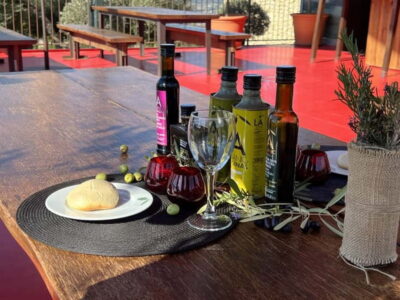
LA Almazara LA Organic, Olive Oil Museum and Tasting
Read our review →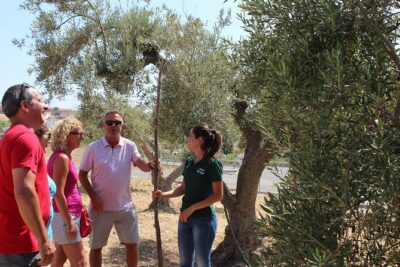
Guided tour and olive oil tasting in Alhaurin el Grande (Málaga)
Read our review →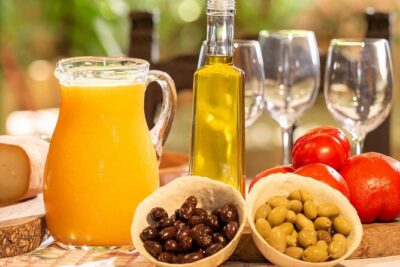
Guided Tasting Tour in 16th century House and Olive Oil Factory
Read our review →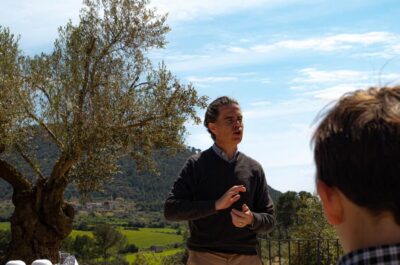
Visit of the olive grove, olive oil tasting and snack
Read our review →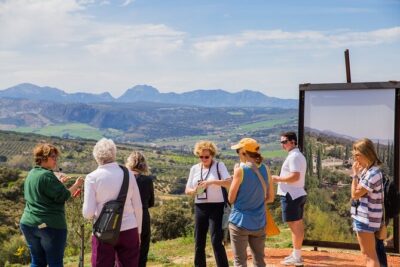
Visit Oil Mill Museum and Olive Oil Tasting in Ronda
Read our review →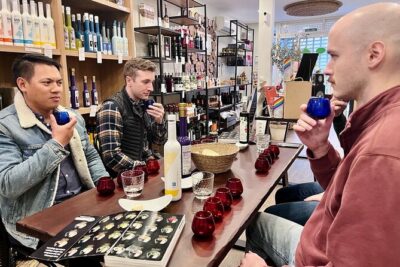
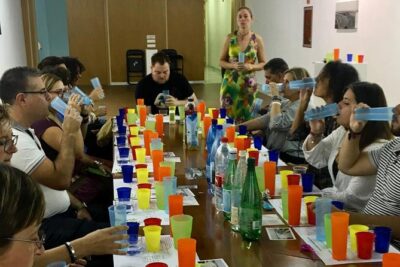
Sóller: Olive Oil Guided Tour and Tasting at Can Det Estate
Read our review →Browse the lists this tour appears in