
Review · ANDALUCIA
Jaén Discover the Secrets of Olive Oil: Tour & Sensory Tasting
Olive oil tells Jaén’s story. This 90-minute visit takes you from ancient olive groves into a working almazara, then finishes with a guided tasting of three premium extra virgin olive oils. I especially like the behind-the-scenes look at washing, crushing, and cold extraction, plus the chance to learn what fruitiness and a peppery finish really mean in the glass.
The guide-led format is another strength. Pilar is praised for being exceptionally well prepared, warm, and clear in English, which matters when the subject turns technical. The main consideration is location: you must reach Carr. Madrid Cádiz, 298, in Bailén, and the English tour runs at 10:30 a.m. The short visit gives you a useful introduction, not a full-day study of olive oil.
Key points to know before you go
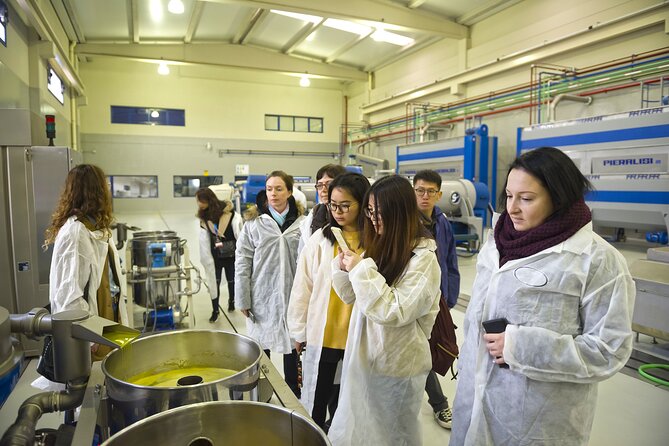
- You enter a real olive oil mill: See the working stages from washing and crushing to cold extraction rather than simply looking at display panels.
- Three house EVOOs are tasted: The final session compares distinct varieties and teaches you how to assess aroma, fruitiness, and peppery notes.
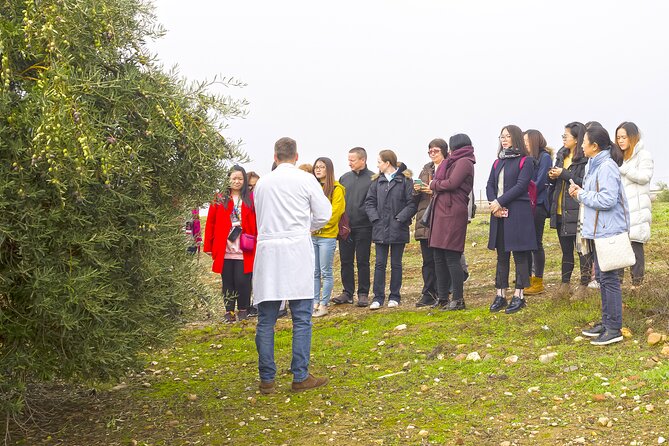
- The groves are part of the lesson: A walk among Jaén’s ancient olive trees connects the finished oil with the land and harvest.
- English and Spanish run at different times: The English session begins at 10:30 a.m.; the Spanish session begins at 12:30 p.m.
- Small groups keep the visit manageable: The maximum is 20 people, useful when you want to hear the guide and ask questions.
- The price is modest for the access: At $28.40 per person, the mill visit and three-oil tasting make this a sensible short stop for food lovers.
Why Jaén is the right place for an olive oil tour

Jaén is one of the key olive oil areas in Andalucía, and the tour gives you a direct way to understand why. The province is covered by olive groves, with trees stretching across the countryside around Bailén. You are not learning about a product imported from somewhere else. You are seeing the setting where the olives are grown and processed.
That connection gives the visit more weight than a standard tasting in a city shop. You begin among the trees, then follow the fruit into the almazara, the traditional Spanish word for an olive mill. The route makes sense: tree, harvest, mill, bottle, tasting glass.
I like this order because it keeps the talk grounded. Olive oil can become a maze of labels, grades, regions, and tasting terms. Here, the guide can point back to the tree and explain how farming and processing affect the final flavor.
The mill is associated with Picualia, a large cooperative of local growers. That detail matters. You are not just looking at a small decorative press arranged for tourists. The operation is described as large, technologically advanced, and spotless, with oil made for local use and international distribution.
The cooperative model also helps explain the scale of olive oil production in Jaén. Many local growers contribute olives to a shared facility, where the fruit can be processed with modern equipment. For you, that means the visit offers both tradition and current industry practice.
More Olive Oil Tours around Spain:
- Ronda: LA Almazara LA Organic, Olive Oil Museum and Tasting
★ 4.6 · 435 reviews - Guided tour and olive oil tasting in Alhaurin el Grande (Málaga)
★ 5.0 · 200 reviews - Guided Tasting Tour in 16th century House and Olive Oil Factory
★ 5.0 · 169 reviews
Starting among Bailén’s ancient olive groves
The experience begins with a welcome in the olive groves. Take a moment here before the technical part starts. The setting is a major reason to choose this tour, since the trees help you understand that olive oil begins as an agricultural product, not as a finished item on a supermarket shelf.
Your guide explains the life cycle of the olive tree and the work involved in harvest. The discussion includes traditional and modern harvesting methods, giving you a useful comparison without turning the visit into a farming lecture.
The exact amount of walking is not stated, so comfortable shoes are a sensible choice. This is a rural setting, and the first part takes place outdoors. The supplied information describes a stroll through ancient groves, so you should expect some time on your feet before entering the mill.
The grove visit also gives you a chance to ask practical questions. You can ask how the harvest is organized, why timing matters, and how the condition of the fruit affects the oil. The guide’s role is important here. Pilar is specifically praised for her preparation and friendly manner, and strong guiding makes technical subjects much easier to follow.
The countryside views are another plus. The olive orchards extend across the province, creating a clear sense of place. You will not mistake this for a generic food attraction in central Seville or Córdoba. The agricultural setting is the point.
Inside the almazara, from olive to oil
The next stage brings you into the mill. This is where the tour earns much of its price. You get to follow the production process instead of hearing only a broad explanation of how olives become oil.
The first steps include washing and crushing. Washing removes unwanted material from the fruit, while crushing breaks the olives down so their oil can be separated. The guide explains why each stage matters, helping you see that quality begins before the tasting room.
The key process is cold extraction. The tour explains how this method helps preserve the aroma and nutritional qualities of the olives. This is especially useful if you have seen the phrase extra virgin olive oil on a label but never understood what careful processing involves.
You will also hear about the importance of handling the fruit correctly. The supplied information does not provide a full technical account of harvest timing, storage temperatures, or processing times, so the guide will be your best source for those details on the day. What you can expect is a clear look at the main production stages and the reasons behind them.
The facility itself is described as immense, modern, and very clean. That description changes the mood of the visit in a good way. You are able to see how an old regional tradition operates at a serious commercial scale.
Some visitors may prefer a tiny family press with a more intimate feel. This is a different experience. The cooperative mill offers size, technology, and a wider view of how local growers bring oil to market. If you want a romantic picture of one farmer pressing olives by hand, this may feel more industrial than expected. If you want to understand present-day production, the scale is an advantage.
The mill portion also helps you judge marketing language. Terms such as premium and extra virgin become less vague when you have seen the work behind them. You can connect the final flavor to the care taken during processing.
The three-oil tasting: learning to use your nose and palate
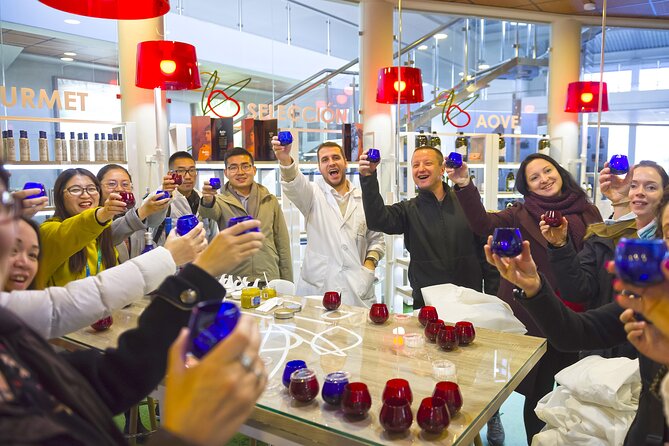
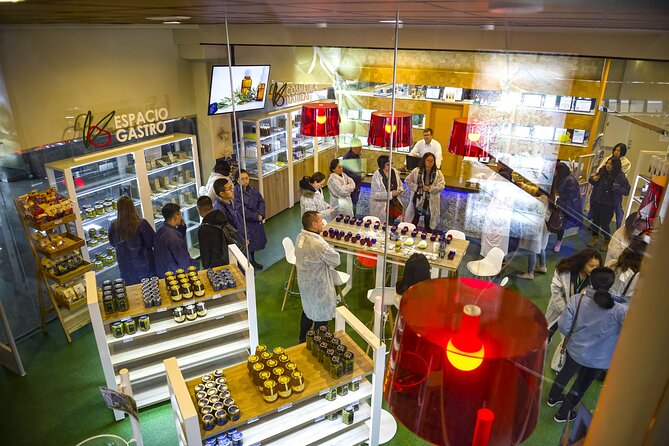
The visit finishes with the part many people anticipate most: a guided tasting of three distinct varieties of house extra virgin olive oil. This is not simply a chance to dip bread into oil. The specialist teaches a professional tasting method.
You learn to notice aromas first, then fruitiness, texture, and the finish. The guide also explains the pleasant peppery sensation that can appear at the back of the throat. That peppery note is presented as a sign of quality and antioxidants, not a defect.
This is a useful skill for future meals and shopping trips. Once you pay attention to aroma and finish, different oils stop tasting interchangeable. You may notice fresh, fruity character in one sample and a stronger peppery quality in another. The exact varieties are not named in the supplied details, but the tasting is designed to show meaningful differences.
I like that the tasting includes three oils rather than only one. A single sample can tell you if you like that particular oil. Three samples let you compare, and comparison is the heart of tasting.
The setting also gives you a better reason to slow down. Olive oil is often treated as a background ingredient, poured quickly over salad or bread. During the tasting, you are asked to pay attention to what it smells and tastes like. That small change in habit is one of the most practical results of the tour.
The tasting may be especially helpful if you plan to buy oil in Andalucía. You will have a clearer vocabulary for discussing what you like. You can also ask about olive varieties, levels of fruitiness, and the meaning of the peppery finish while the oils are in front of you.
Do not expect a full meal. The sample menu lists oil tasting as the main item, and anything not specifically included is excluded. Eat beforehand if you need more than a tasting portion.
Same groves, a different afternoon:
- Visit of the olive grove, olive oil tasting and snack
★ 4.9 · 111 reviews - Visit Oil Mill Museum and Olive Oil Tasting in Ronda
★ 4.5 · 105 reviews - Private Tasting of Olive Oil in Córdoba
★ 5.0 · 93 reviews - Olive Oil tasting breakfast & Tour in Cordoba
★ 4.5 · 84 reviews
What makes the guide important
An olive oil mill can be fascinating, but machinery alone will not explain much. A good guide turns the equipment into a story about farming, processing, flavor, and quality.
Pilar receives especially strong praise for being well prepared, pleasant, and able to explain the subject in English. Another account describes the guide as exceptional and says the content was complete. Those comments point to the main strength of the experience: human explanation.
The English departure is at 10:30 a.m., while the Spanish departure is at 12:30 p.m. Check the language before you arrive. The timing is not a minor detail, since choosing the wrong session could change how much you understand from the technical portion.
With a maximum of 20 people, the group is not private, but it is limited enough to keep the guide’s explanations usable. A group of that size should also make the tasting easier to manage than a large coach-tour crowd.
Is $28.40 good value for 90 minutes?
At $28.40 per person, this is a fair price for a short, focused food experience. You receive a professional guide, access to the mill and almazara, a walk through the groves, and a tasting of three premium EVOOs.
The value depends on what you want from the visit. If you want an extended farm stay, a large meal, or a full day in the countryside, 90 minutes will feel brief. If you want a compact introduction that fits between other plans in Jaén province, the length works well.
The mill access is the strongest value point. Many food tastings explain the finished product but skip the production site. Here, you see the stages that give the tasting its meaning.
The setting adds value without adding extra activities. You walk among the trees, see the scale of the cooperative, and connect the oil to Bailén and the wider province. For a modest fee, that is a substantial amount of context.
The main cost to consider is getting to the meeting point. The tour starts at Carr. Madrid Cádiz, 298, 23710 Bailén, Jaén, Spain, and ends back there. The supplied details do not list transportation to the site, so plan your own route and allow enough time to arrive before the morning English start.
Who will enjoy this Jaén experience most?
I would recommend this tour to anyone interested in Spanish food, regional agriculture, or the difference between ordinary olive oil and extra virgin oil. It also suits visitors who want a short activity rather than a full-day excursion.
It is a good fit for couples, small groups, and independent visitors building a Jaén itinerary around local food. The English option makes it accessible to English-speaking visitors, and the compact schedule leaves room for other plans.
Families may also find the mill process easy to understand, though the tour is not described as specifically designed for children. Most people can participate, according to the activity information.
You may want to skip it if you dislike tastings, have no interest in production methods, or cannot reach Bailén for the scheduled time. The experience is focused. It does not try to be a general sightseeing tour of Jaén.
The tour is also not the best choice if you expect a long meal. The listed food component is an oil tasting, and no additional meal is included.
Practical details before booking
You receive confirmation when you book, and a mobile ticket is provided. Keep the start time in mind: English is at 10:30 a.m., and Spanish is at 12:30 p.m.
The activity lasts about one hour and 30 minutes. It begins and ends at the same Bailén meeting point, which makes planning easier if you are driving or arranging a local transfer.
The maximum group size is 20 people. Most people can take part, but the information does not provide specific details about mobility needs, surfaces, or facilities. If those points matter to you, ask the provider before booking.
Free cancellation is available when you cancel at least 24 hours before the local start time. Cancellations made inside that window are not refunded, and late changes are not accepted.
Should you book this olive oil tour?
Book it if you want a clear, local introduction to Jaén’s signature product. The combination of olive groves, a working cooperative mill, three EVOO samples, and a strong English-speaking guide gives the experience real substance.
I would make this a particularly good choice for a first visit to Jaén province. You leave with a better sense of how olives are grown, how oil is made, and how to taste it with more care.
The decision is less certain if you need transportation from another city, a full meal, or a longer rural outing. In that case, the 90-minute format may feel too narrow.
For $28.40, though, the visit offers a practical look at the product that shapes this part of Andalucía. Arrive at the right Bailén meeting point, choose the English time, and go ready to taste carefully. The peppery finish may never seem like a mystery again.
FAQ
Where does the olive oil tour begin?
The tour begins at Carr. Madrid Cádiz, 298, 23710 Bailén, Jaén, Spain.
Where does the activity end?
The experience ends back at the same meeting point.
How long does the tour last?
The tour lasts approximately one hour and 30 minutes.
What time is the English tour?
The English-language session begins at 10:30 a.m.
Is there a Spanish-language session?
Yes. The Spanish-language session begins at 12:30 p.m.
How many olive oils will I taste?
You will taste three distinct varieties of the producer’s premium extra virgin olive oil.
What is included in the price?
The price includes a professional guide, a tour of the oil mill and almazara, and the guided tasting of three EVOOs. Anything not listed as included is excluded.
Just added around Spain
- XXI Century Olive Oil Mill Tour★ 5.0 · 3 reviews
- Visit to an olive oil mill and oil tasting with aperitif and food and wine pairing.★ 5.0 · 2 reviews
- Treurer: Tapas Gourmet and Extra Virgin Olive Oil★ 4.7 · 3 reviews
- Ulldecona: Guided Tour of the Millenary Olive Trees of Arión★ 5.0 · 2 reviews
- Treurer: Olive Oil Night. Gastronomic experience★ 5.0 · 15 reviews
- Olive Oil and Winery Tour from Zaragoza City★ 5.0 · 4 reviews
- Olive Oil Private Full-Day Tour with Tasting in Valencia★ 5.0 · 2 reviews
- Olive Oil Tour and Visit to Belchite Old Town★ 5.0 · 16 reviews
Spain Olive Oil Tours, compared.
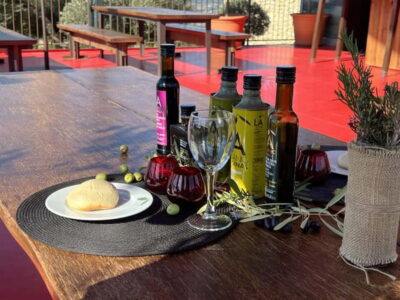
LA Almazara LA Organic, Olive Oil Museum and Tasting
Read our review →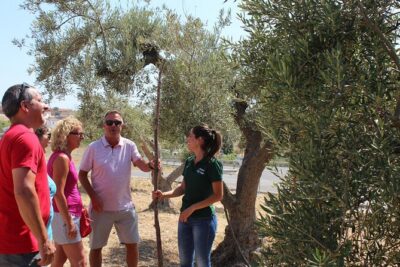
Guided tour and olive oil tasting in Alhaurin el Grande (Málaga)
Read our review →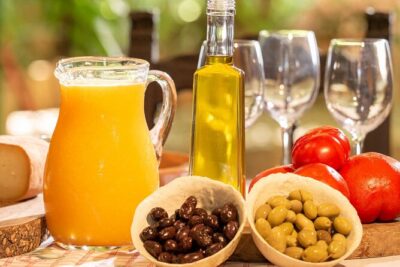
Guided Tasting Tour in 16th century House and Olive Oil Factory
Read our review →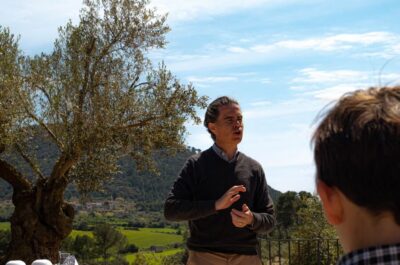
Visit of the olive grove, olive oil tasting and snack
Read our review →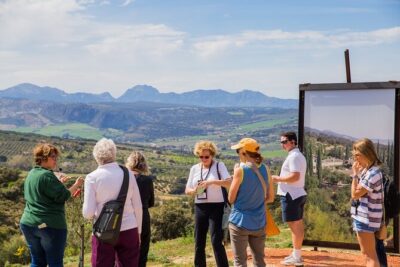
Visit Oil Mill Museum and Olive Oil Tasting in Ronda
Read our review →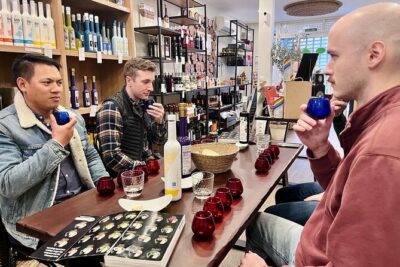
Sóller: Olive Oil Guided Tour and Tasting at Can Det Estate
Read our review →Browse the lists this tour appears in